Ask anyone who has traveled through Rajasthan, and they’ve heard of Ranthambhore. For most people, it’s simply the place to go on a tiger safari. But the real story of Ranthambhore runs far deeper than that. Buried in this land are centuries-old battles, the sacrifices of fearless Rajput kings, and the remains of a fort that was never easy to conquer. If you’re looking for accurate, well-researched information on Ranthambhore history, this article walks through the full story from beginning to end.
When Was Ranthambhore Fort Built
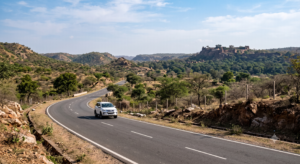
Historians don’t fully agree on the exact origins of Ranthambhore Fort, but most sources credit its foundation to Raja Sapaldaksha of the Chauhan dynasty around the 10th century. Successive rulers expanded and strengthened it over time. Perched roughly 700 feet above the surrounding Aravalli hills, the fort’s location alone made it one of the toughest strongholds for any invading army to approach. This is why it’s still counted among India’s most formidable hill forts.
The Chauhan dynasty of Rajasthan holds a significant place in the region’s history, and Ranthambhore stood as a symbol of their military strength for generations.
Hammir Dev Chauhan and the Battle That Changed Everything
The most famous — and most tragic — chapter of Ranthambhore fort history belongs to Raja Hammir Dev Chauhan. Toward the end of the 13th century, when Alauddin Khilji ruled the Delhi Sultanate, Hammir Dev gave shelter to some of Khilji’s rebel soldiers inside his fort. Khilji took this as a direct insult and marched his forces toward Ranthambhore.
The siege that followed in 1301 dragged on for months. Hammir Dev and his soldiers fought back fiercely, but as defeat became inevitable, the women of the fort performed jauhar according to Rajput tradition, while the king and his men fought to their last breath. The Alauddin Khilji siege of Ranthambhore is still remembered today as a defining example of sacrifice and honor in Rajasthan’s history.
Ranthambhore Under Mughal Rule
After Khilji’s victory, the fort remained under Delhi Sultanate control for some time before passing through the hands of several regional rulers. During the Mughal era, even Akbar led a campaign toward Ranthambhore, since the fort held major strategic value. Mughal influence gradually grew over the region, though the local Rajput identity of the land was never fully erased.
The Kachwaha Rulers of Jaipur
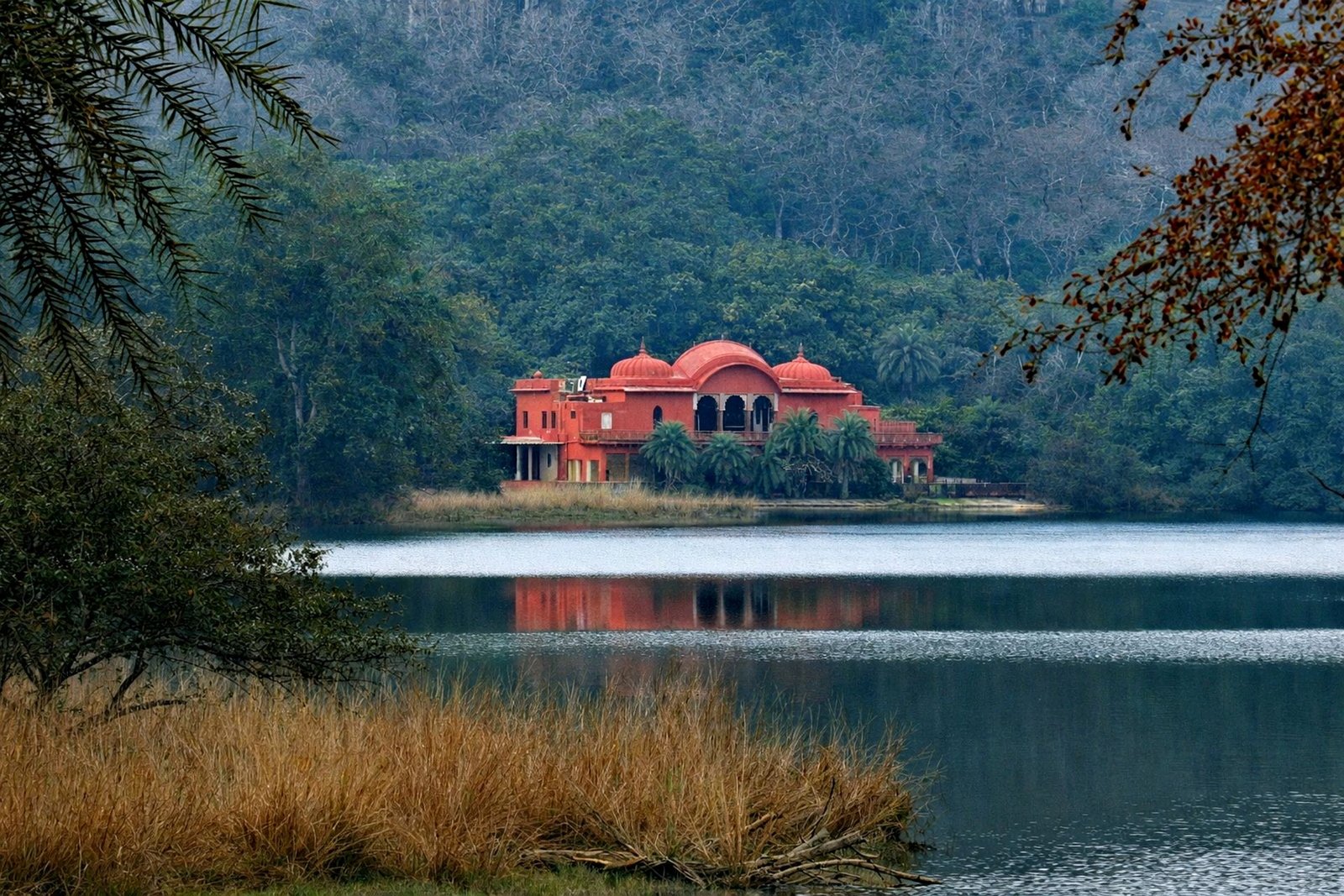
By the 18th century, Ranthambhore came under the control of the Kachwaha rulers of the Jaipur princely state. Sawai Madho Singh and his successors turned the surrounding forest into their private hunting ground. This period is central to understanding Sawai Madhopur history, since the town that exists today grew up around this very legacy. Ironically, it was this royal hunting reserve that unintentionally laid the early groundwork for protecting the forest and its wildlife.
From Royal Fort to National Park
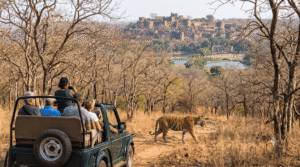
After independence, awareness around wildlife conservation began to grow across India. In 1955, the area was declared a game sanctuary, and in 1973, when the Indian government launched Project Tiger, Ranthambhore was named one of the first nine tiger reserves in the country. This marks the true origin of the Ranthambhore tiger reserve — a former royal hunting ground that slowly transformed into one of the safest homes for tigers in India.
In 1980, it was officially granted national park status, becoming a key part of Ranthambhore National Park history. Today it spans roughly 1,334 square kilometers and stands as one of India’s most successful tiger conservation projects.
UNESCO Recognition
In 2013, Ranthambhore Fort was inscribed as a UNESCO World Heritage Site under the “Hill Forts of Rajasthan” series. This recognition wasn’t just for the fort’s architecture — it acknowledged the centuries of history and cultural significance woven into the site. The Archaeological Survey of India (ASI) continues to oversee its preservation and maintenance to this day.
Why Ranthambhore Still Matters Today
Ranthambhore today draws more than just history enthusiasts — it’s a major destination for wildlife photographers and tourists alike. The view from the fort’s ramparts overlooking the valley, its ancient temples and stepwells, combined with tigers roaming the forest below, is a combination that’s genuinely rare to find anywhere else in the world. This blend of heritage and wildlife is exactly what makes Ranthambhore such a unique chapter in the broader history of Rajasthan.
Conclusion
Ranthambhore’s story is one of courage, sacrifice, and transformation. A fort that once bore witness to brutal wars has now become a symbol of peace and conservation. The next time you visit Ranthambhore, don’t just go to spot a tiger — take a moment to touch those old walls and feel the history that made this place what it is today.
Frequently Asked Questions (FAQs)
1. Who built Ranthambhore Fort? It’s widely believed that construction began under Raja Sapaldaksha of the Chauhan dynasty in the 10th century, with later rulers expanding it over time.
2. Which famous battle is associated with Ranthambhore Fort? The most well-known battle took place in 1301 between Raja Hammir Dev Chauhan and Alauddin Khilji, the ruler of the Delhi Sultanate.
3. When was Ranthambhore declared a tiger reserve? It became one of India’s first nine tiger reserves in 1973, under the newly launched Project Tiger initiative.
4. Is Ranthambhore Fort a UNESCO World Heritage Site? Yes, it was declared a UNESCO World Heritage Site in 2013 as part of the “Hill Forts of Rajasthan” series.